
Saturday, November 18, 2023
The Menu was the Message
1904-1931

The advent of the postcard provided the hospitality industry with innovative ways to advertise. One of the unique formats that emerged in the early 1900s was the attachment of postcards to menus. This concept was particularly suited to table d’hôtel menus that did not have prices. Once ubiquitous, table d’hôtel menus were still being used at hotels and resorts that operated on the so-called American Plan, meaning room and board were included in the daily rate. Such hostelries traditionally promoted the abundance of their board to attract guests, something the postcard-menu combination was ideally suited to do.

Wednesday, October 25, 2023
Dining in Prospect Park
Brooklyn, New York
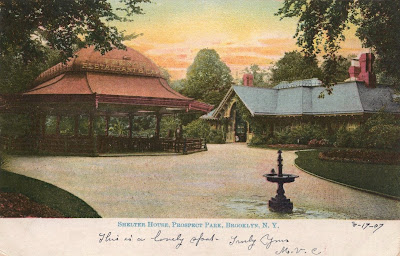
Brooklyn’s pastoral Prospect Park was designed by Frederick Law Olmsted and Calvert Vaux, the landscape architects who created Central Park and Riverside Park in Manhattan. Opened in 1867, Prospect Park was substantially complete in 1873 when a financial panic halted further development. Some of the originally-envisioned structures, such as a terraced restaurant, were never built. Instead, two of the existing buildings were utilized for food service. The park was restored in the 1890s during the City Beautiful movement, and it was during this period that the park commissioner decided to appoint a new concessionaire. His goal was to make the restaurants more “fashionable” while still maintaining low prices for the general public. The recent discovery of two menus from about 1897 reveal what this plan looked like when put into action.
1897

Sunday, August 27, 2023
Music on the Menu
1878-1978

“Music with dinner is an insult both to the cook and the violinist,” observed English writer G. K. Chesterton. Nevertheless, music has become an inescapable part of eating outside the home. While menus almost never reveal what was played in the background of restaurants and hotel dining rooms, they reflect the world of music in a myriad of other ways.
Tuesday, May 9, 2023
Where the Immigration Inspectors Dined
New York City,
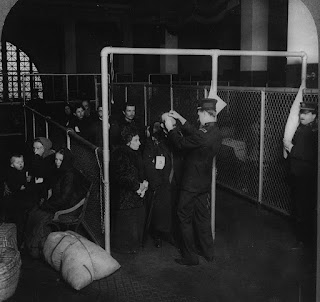
The immigration station on Ellis Island reopened in 1900 after a fire destroyed the original complex three years earlier. By 1902, “Kindness and Consideration” signs were posted throughout the halls, reminding immigration inspectors, social workers, and medical staff to treat the newcomers with empathy and respect. From 1900 to 1918, ten million people passed through Ellis Island. Unlike the 19th century, when most of the immigrants hailed from Northern and Western Europe, the early 20th century saw a massive surge from Eastern Europe, Czarist Russia, and Southern Italy. Menus from annual employee outings in 1904 and 1905 reflect the cuisines of these newer arrivals, an irony given that some staff members opposed the immigration policies of the time. The pair of menus brings to mind the phrase “unwitting historical evidence,” sometimes used to describe ephemera.
1904-1905

Wednesday, November 23, 2022
Impressions of American Hotels
1883-1898

Thursday, July 14, 2022
When Maria Parloa Visited Tilden Ladies’ Seminary
New Hampshire,
1881

Tilden Ladies’ Seminary in West Lebanon, New Hampshire was a progressive institution established in 1855 when most female boarding schools focused on activities like needlework and music. Two pieces of ephemera from 1881 provide a rare glimpse of this school and a guest lecturer named Maria Parloa, one of the country’s first celebrity chefs.
1881

Tilden Ladies’ Seminary in West Lebanon, New Hampshire was a progressive institution established in 1855 when most female boarding schools focused on activities like needlework and music. Two pieces of ephemera from 1881 provide a rare glimpse of this school and a guest lecturer named Maria Parloa, one of the country’s first celebrity chefs.
Wednesday, January 26, 2022
An Early Chidren's Menu
Boston,
1885
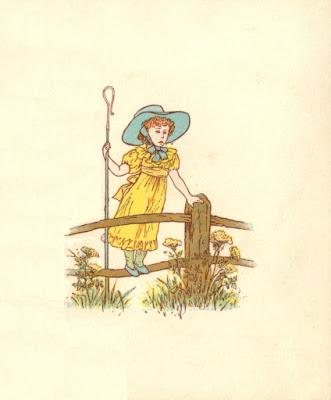
Menus designed exclusively for children first appeared in department stores and railroad dining cars in the 1920s and were more broadly adopted by restaurants after the Second World War. A hand-written menu from a seven-year-old birthday party in February 1885 reveals what a children’s menu might have looked like had they existed in public dining spaces in the late nineteenth century.
Saturday, November 6, 2021
The 15-Cent Houses
Boston,

Almost everyone living in large cities ate in a restaurant from time to time during the late nineteenth century. Unless poverty stricken, average citizens patronized small eateries that served English-style fare at rock-bottom prices. There was nothing fancy about the food or the service. Dubbed 15-cent houses, these meat-and-potatoes restaurants seldom warranted attention in the press and exceedingly few menus have survived. One source of historical evidence is provided by handbills and business cards advertising specific dishes. A selection of such ephemera from ordinary restaurants in Boston from 1875 to 1885 reveals the food customs of the middling and working classes, especially when compared to similar material from other dining niches of society.
1875-1885

Wednesday, September 1, 2021
Charles Dickens in Boston
1842 & 1925

Charles Dickens was enthusiastically fêted when he visited the United States in 1842 and 1867-68. For many years afterward, these grand affairs lingered in the collective memory of the novelist’s most ardent admirers, as revealed by a menu from a dinner of the Dickens’ Fellowship in Boston in 1925.

Charles Dickens was enthusiastically fêted when he visited the United States in 1842 and 1867-68. For many years afterward, these grand affairs lingered in the collective memory of the novelist’s most ardent admirers, as revealed by a menu from a dinner of the Dickens’ Fellowship in Boston in 1925.
Thursday, August 12, 2021
In the Good Old Summertime
Wilmington, Delaware

This postcard marks the second day of a trapshooting competition at the DuPont Gun Club on July 11, 1911. The recreational club had been established the previous year on the grounds of the Experimental Station of the DuPont Company that was then in the business of manufacturing gunpowder. Interestingly, the card includes the lunch menu—fried chicken, potato salad, and ice cream. The scene recalls the song “In the Good Old Summertime,” a popular tune of the era when life was seemingly less complicated.
1911

Subscribe to:
Posts (Atom)




